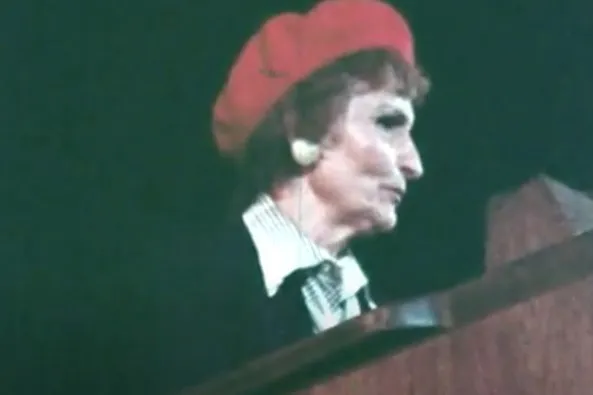
Women's History Month - Gerona Johnson Dollinger

Genora Johnson Dollinger was a powerhouse of the American labor movement. Often called the "Joan of Arc" of the 1937 Flint Sit-Down Strike, she shattered the era’s stereotypes about women’s roles in industrial conflict.
Here are the essential facts about her life and legacy for Women’s History:
- The Women’s Emergency Brigade (WEB)
This wasn't a social club; it was a disciplined, paramilitary organization. Genora realized that if women were going to be on the front lines, they needed to look and act like a unified force.
The Uniform: They wore bright red berets and red armbands with "EB" (Emergency Brigade) embroidered on them. This was strategic—it made them instantly recognizable to the strikers and the press, and it signaled that they were "on duty."
The Weaponry: They famously carried heavy wooden rolling pins and broomsticks. While it looked domestic, it was a practical choice; if a policeman grabbed a woman, she was prepared to swing.
The Structure: Genora organized them into "squads" with captains. They were on call 24/7, ready to be dispatched by car to any factory gate where the police were massing.
The Membership: At its peak, there were about 400 to 500 women. To join, they had to swear an oath of non-violence unless attacked, but they were trained to "hold the line" no matter what.
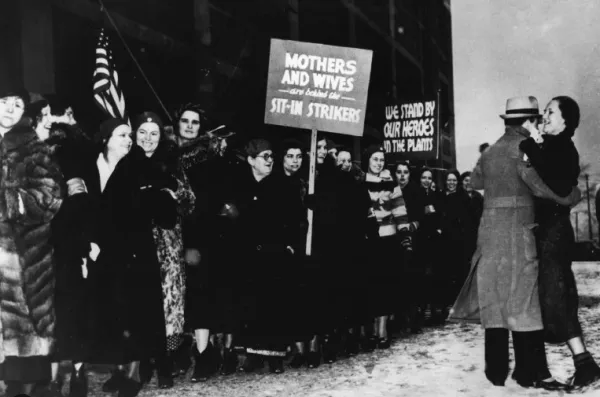
- The "Battle of the Running Bulls"
The name "Running Bulls" was a mocking term the strikers used because the police (the "Bulls") were forced to run away.
The Turning Point: The police had turned off the heat in the factory in sub-zero January temperatures and blocked food. When strikers tried to get a ladder up to a window to send in food, the police attacked.
The Megaphone Moment: Genora didn't just scream; she used the sound car's loudspeaker to shame the police. She called them "cowards" for shooting at unarmed men and then made her famous appeal to the "Women of Flint."
The Human Shield: When the women broke through the police lines, they formed a physical barrier between the cops and the factory. The police were terrified of the "PR nightmare" of gassing or clubbing hundreds of women in broad daylight. This specific tactic—using gender as a tactical shield—saved the strike from being crushed that night.
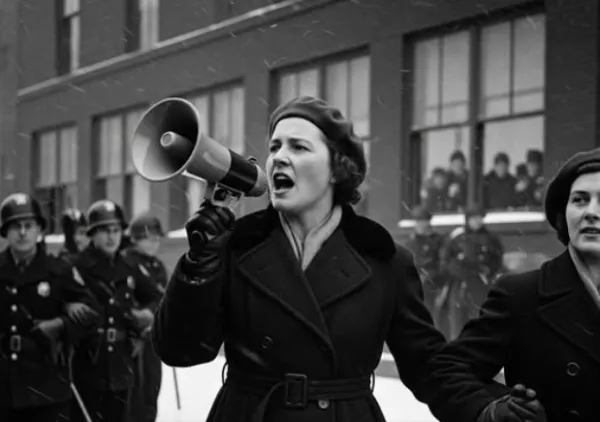
- Redefining "Women's Work"
Before Genora, the "Women’s Auxiliary" was basically a mobile kitchen. They made sandwiches and coffee. Genora completely dismantled this hierarchy.
From Ladles to Labor: She argued that if women were going to suffer the poverty caused by low wages, they should have an equal say in the strike strategy.
The "Auxiliary" vs. The "Brigade": She kept the Auxiliary for support but created the Brigade for combat. This allowed women to choose their level of involvement.
Political Education: She held classes for the women on labor history and public speaking, ensuring they weren't just "helpers" but informed activists who could hold their own in an argument with GM executives.
Dollinger famously rejected the idea that women should stay home during strikes. She argued:
"To expect a woman to go home and wash dishes while her husband is out on the picket line is to expect her to be a second-class citizen in the labor movement."
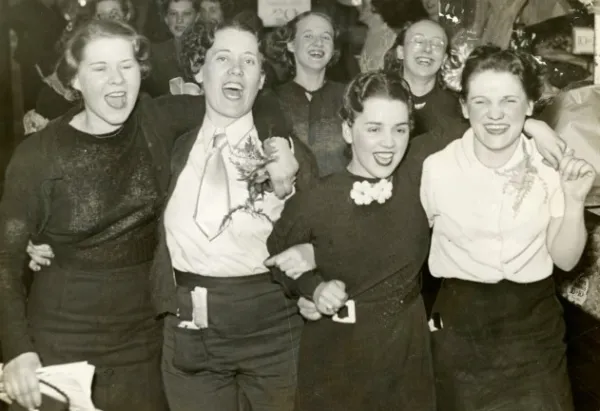
- Strategic Brilliance
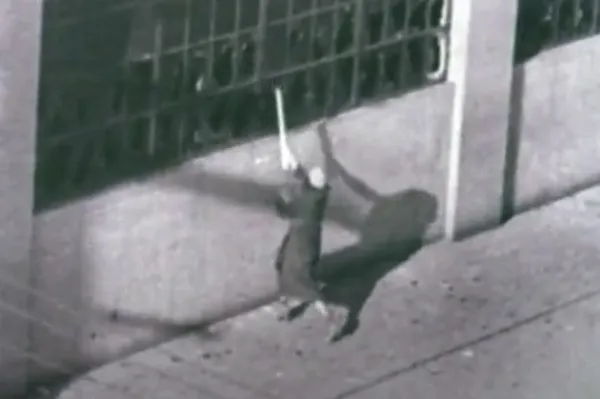
She wasn't just about courage; she was about tactics. She organized the "Children’s Picket Line" to gain public sympathy and used the Emergency Brigade to smash windows in the factories to let out tear gas, allowing the men inside to breathe and continue the occupation.
Genora’s most brilliant move came during the capture of Chevrolet Plant 4.
The Decoy: While the men were fighting a diversionary battle at Plant 9, the police filled the air with so much tear gas that the strikers were choking to death inside.
The Counter-Move: Genora led the Brigade to the factory windows. Instead of retreating from the gas, she ordered the women to smash every single window with their clubs and rolling pins.
The Result: The fresh air cleared the gas, allowing the strikers to stay inside and hold the plant. Without those broken windows, the men would have been forced to surrender, and the strike would have failed.
- A Lifelong Activist
Genora never "retired" from the fight. She saw the struggle for labor, race, and gender as one single battle.
The NAACP: In the 1960s, she was a rare white leader in the Flint NAACP, fighting against "redlining" (housing discrimination) that kept Black auto workers in slums.
The ACLU: She helped build the Michigan ACLU from the ground up, focusing on the rights of the "underdog"—prisoners, protesters, and the poor.
Intersectional Pioneer: Long before the term existed, Genora practiced intersectionality. She understood that a union wasn't strong if it excluded Black workers or women, and she spent her final decades holding the UAW's feet to the fire to ensure they stayed true to those inclusive values